Technology
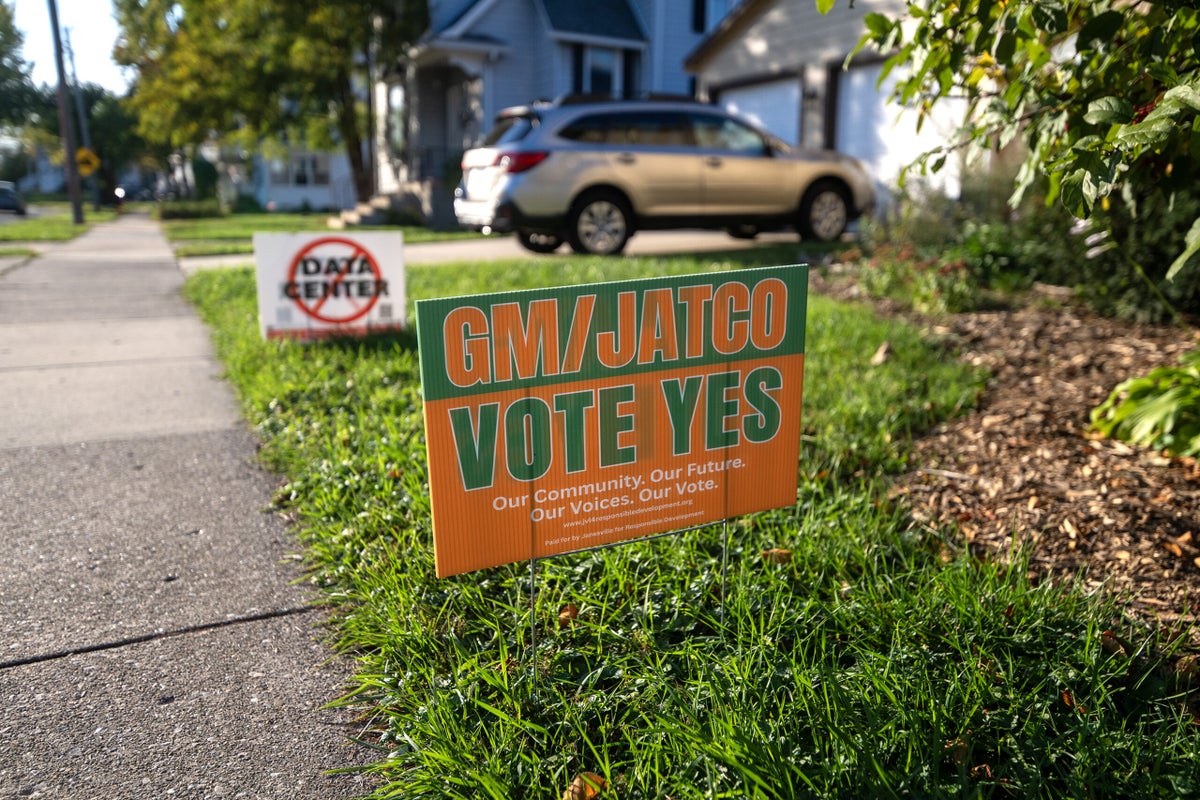
Janesville passes ballot measure as part of national wave against data centers
By Katherine Langford
Advertisement · Why this ad?
Marcus manages the day-to-day editorial workflow across all brands, coordinating coverage assignments and ensuring editorial standards are met. He previously served as city editor at the Pioneer Press and holds a degree in Political Science from Carleton College.
More from Marcus →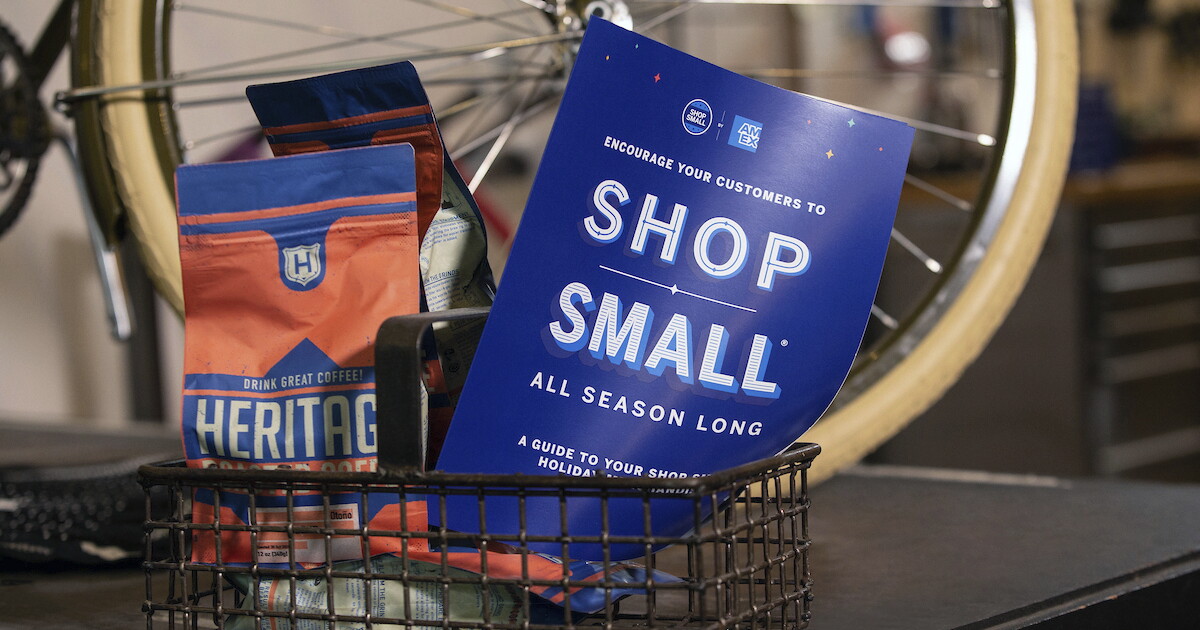
Jennifer Barger’s quest to shop exclusively from local retailers revealed a simple truth: supporting neighborhood businesses requires a bit more effort and sometimes, a willingness to adjust expectations. While the desire to shop local remains strong among Americans, price and delivery speed often present significant hurdles, as evidenced by a recent Michigan Economic Development Corporation survey. The survey found that while 63% of shoppers are willing to pay up to 5% more for U.S.-made products and 89% prefer small businesses sourcing locally, the reality of modern consumer habits—shaped by the “Amazon effect”—demands more than just good intentions.
The Michigan Economic Development Corporation’s survey underscores a growing tension in the retail landscape. Consumers express a desire to support local economies and U.S. manufacturers, but their purchasing decisions are increasingly driven by convenience and cost. The survey revealed that 30% of shoppers have abandoned orders from local businesses due to product availability or lengthy wait times, highlighting the challenge smaller retailers face in competing with the speed and efficiency of larger chains. Jason Miller, a professor of supply chain management at Michigan State University, explained that consumers have become “very intolerant of low product availability or unduly long wait times,” a direct consequence of the rapid delivery options now commonplace. “Once you get beyond a 5% difference in pricing, we'll start to see consumers say, ‘You know what? I want to support U.S. businesses, but my pocketbook is just not fat enough’ to support paying substantially more than what I would otherwise,” Miller said.
Barger’s personal experiment—a month-long commitment to shopping exclusively from local retailers or websites—illustrated the complexities firsthand. She quickly discovered that shopping local sometimes requires a problem-solving mindset. When Barger needed a new electric toothbrush, she was tempted to order one from Amazon. Instead, a local pharmacy ordered it for her. “You had to make a little bit more effort, but I felt way better about giving my money to them than giving it to a giant conglomerate,” she said.
The rapid rise of e-commerce giants like Amazon has fundamentally reshaped consumer expectations. The ability to order virtually anything online and receive it within a day or two has created a benchmark for speed and convenience that smaller, local businesses struggle to match. Offering two-day delivery, for instance, may require a business to keep inventory at multiple locations around the country, something that is much easier for a massive retailer than a neighborhood business. This disparity creates a disadvantage for local businesses, even when consumers express a desire to support them, highlighting the broader challenges facing small businesses in the digital age.
Shopping small is often associated with higher prices, but Barger said consumers shouldn’t automatically assume that buying local will always cost more. Some produce she purchased locally was about the same price as what she would have paid elsewhere, and in some cases it was cheaper. Other products, however, presented a different story. Toilet paper was significantly more expensive at a local general store than at a major chain. Fish, technology products, and shoes were also among the items she found more difficult or expensive to buy locally. That means shoppers may still need to rely on major retailers such as Walmart or Target for certain staples.
The desire to support local businesses resonates strongly within Brookfield, a community known for its strong sense of community and family values. Residents often express a desire to keep dollars circulating within the local economy, but the practicality of exclusively shopping local often clashes with busy schedules and family budgets. Many appreciate the convenience of online retailers and big-box stores, especially when dealing with larger families or unexpected needs. The challenge lies in finding a balance between supporting local businesses and meeting the everyday needs of a household. The Brookfield Chamber of Commerce plays a crucial role in supporting local businesses and advocating for policies that promote economic growth within the community.
For consumers interested in supporting local businesses, Barger recommends starting gradually. That could mean trying a neighborhood pharmacy or farmers market, then comparing the price, quality, and convenience with what you normally buy elsewhere. There are also resources in some states designed to help businesses source products closer to home. Miller said those programs can help companies identify regional suppliers, particularly when tariffs or other supply-chain disruptions make their existing suppliers more expensive. Barger also acknowledged that shopping locally was more practical for her because she lives within walking distance of a downtown area with several grocery options and was shopping only for herself and her husband. Families with children or consumers with fewer stores nearby could face additional challenges.
For holiday shoppers, another opportunity to test the local approach is Small Business Saturday, held the Saturday after Thanksgiving. The Small Business Saturday website offers resources and information for consumers looking to support local businesses.
The bottom line: shopping local can take a little more planning, but it doesn’t necessarily mean paying more. The success of local businesses will depend on their ability to adapt to changing consumer expectations. This may involve embracing online sales channels, offering flexible delivery options, and fostering strong relationships with customers. Consumers, in turn, will need to be willing to prioritize community support over immediate gratification and acknowledge that shopping local may require a bit more planning and flexibility. The Michigan Business One Stop Shop provides resources for businesses seeking to source products closer to home.
What’s most striking about Barger’s experiment and the survey data isn't just the desire to shop local, but the practical barriers that often stand in the way. It’s easy to say you want to support your neighbors, but when dinner needs to be on the table tonight and a specific item is unavailable or costs double, that sentiment can quickly fade. Supporting local businesses isn’t just about buying a product; it’s about investing in the future of our community and strengthening the bonds that hold us together. The City of Brookfield Website website provides resources for local businesses and residents alike.
For those interested in learning more about supporting local businesses, the Consumers' Checkbook website offers valuable insights and resources. The commitment to shopping local is a choice, and one that can have a profound impact on the strength and vitality of our community.
By Katherine Langford

By Marcus Chen

By Marcus Chen

By Marcus Chen